1. Before the runways, the battlefields
The first heeled shoes we know of appeared in Persia around the 10th century. Riders used them to keep their feet more securely in the stirrups and gain stability when riding horses. Nothing to do with elongating the legs.

2. From Persia to European palaces
At the end of the 16th and beginning of the 17th century, the heel arrived at European courts. What had been a practical solution became a symbol of power, wealth, and distinction. And yes, men were the first to make it a trend.

3. Louis XIV and the famous red heels
The Sun King was one of its greatest ambassadors. Louis XIV popularized red heels at the French court, to the point of making them a privilege reserved for certain members of the aristocracy. A shoe could say a lot about who you were and, above all, how much power you had.

4. The heel conquers the women's wardrobe
During the 17th and 18th centuries, women also adopted the heel and began to wear thinner and more stylized designs. Over time, heeled footwear acquired an increasingly feminine identity, until it became one of the great icons of fashion.

5. From a status symbol to a style statement
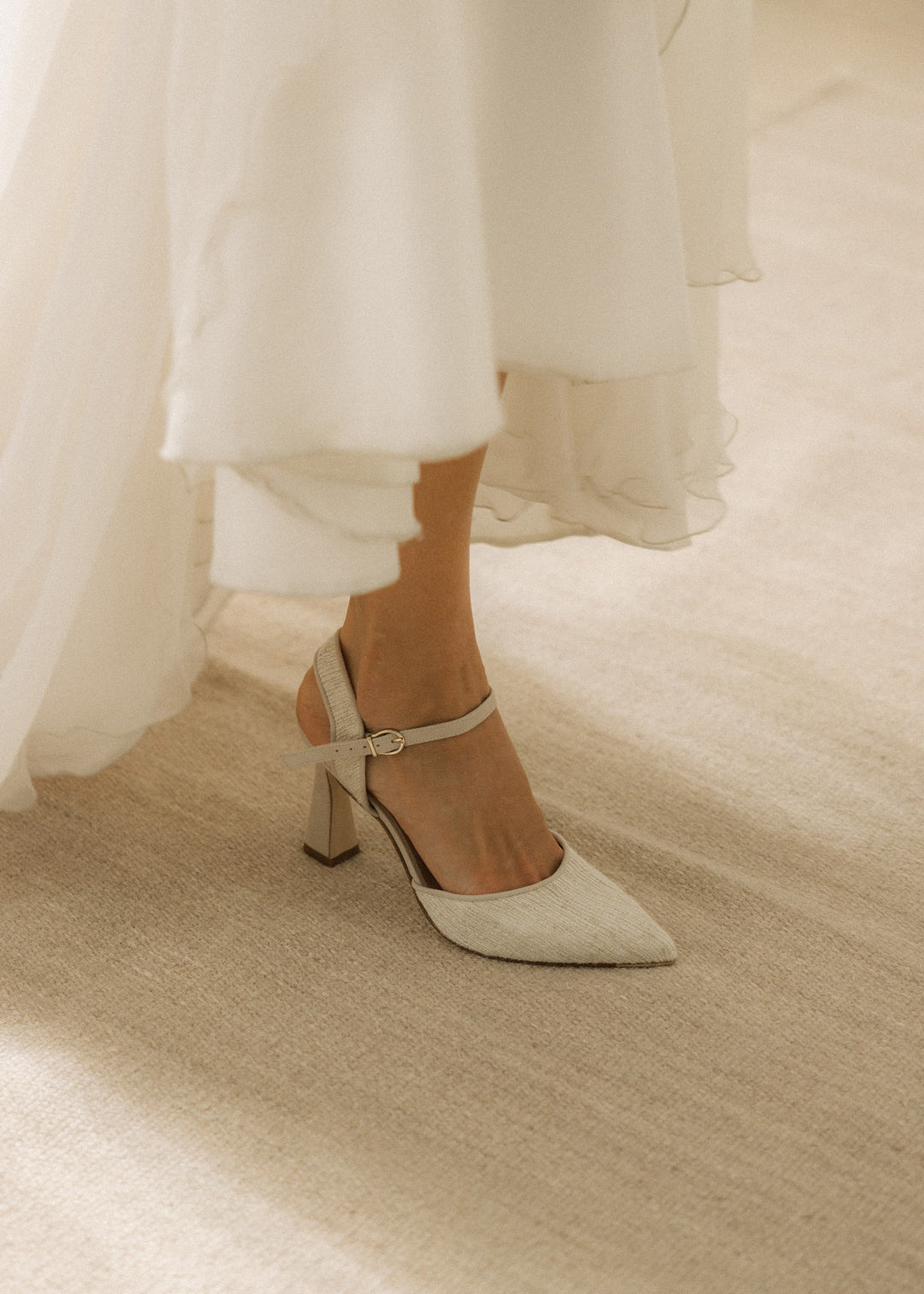
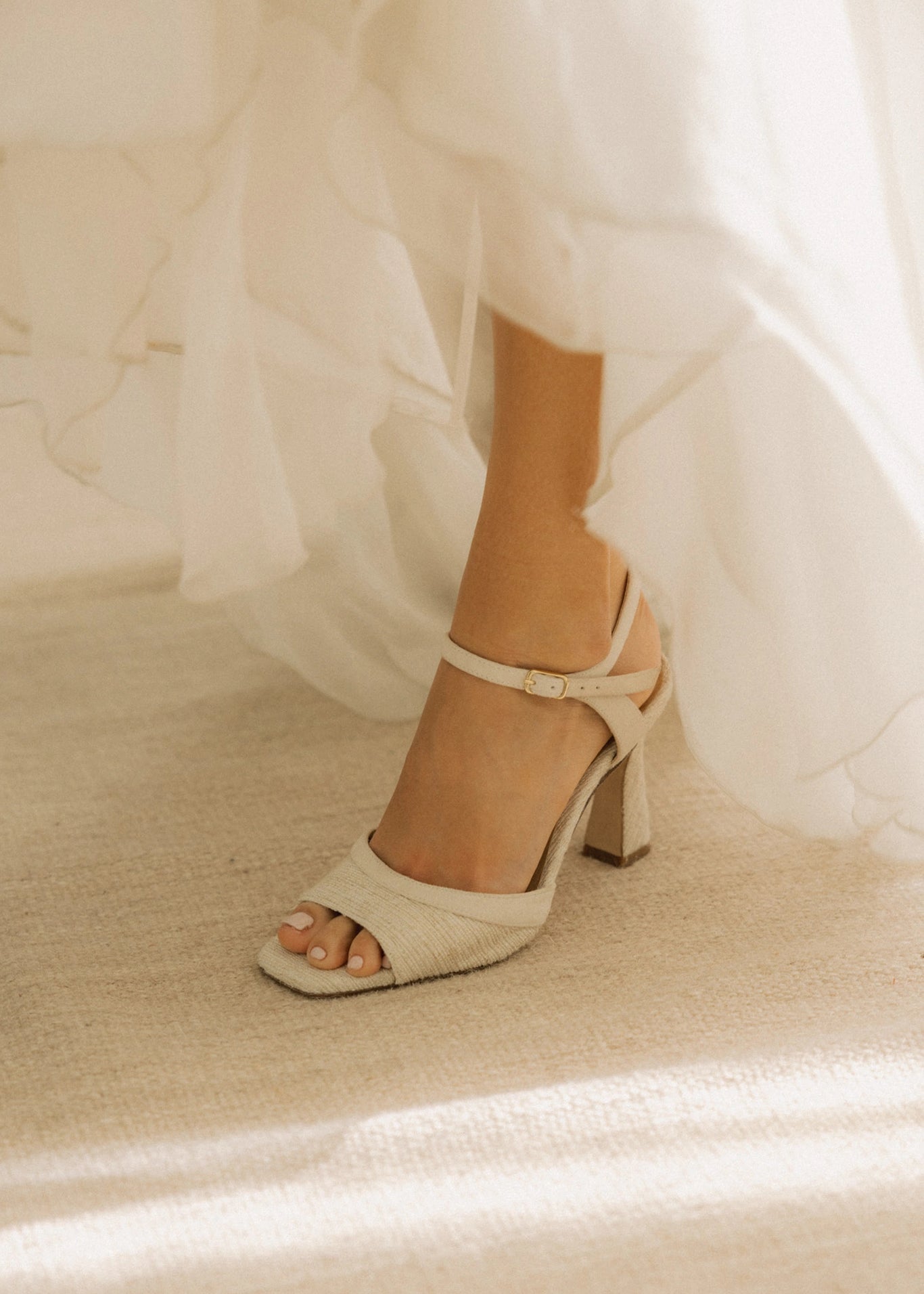
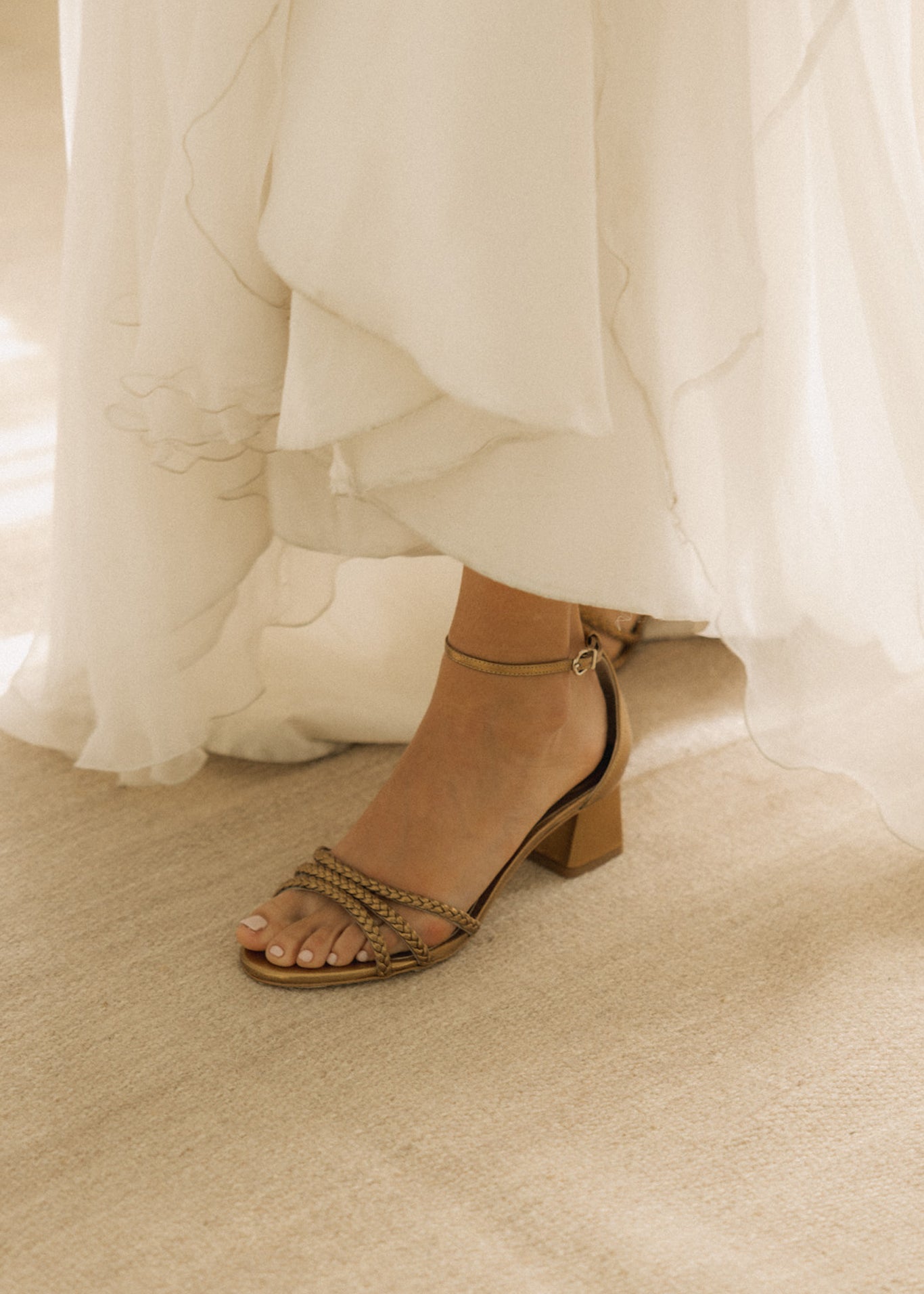
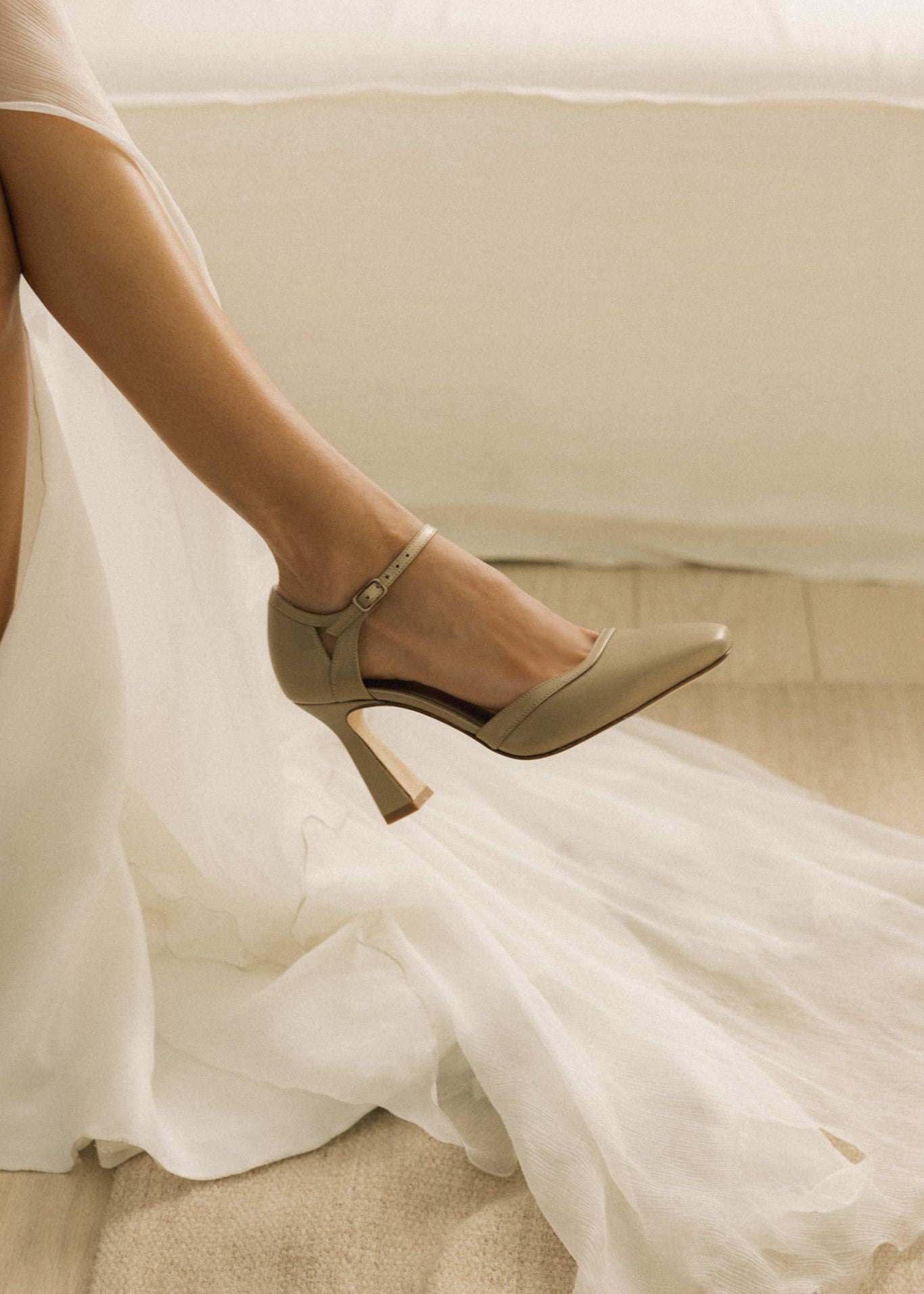
The heel has changed shapes, heights, and materials. It has gone through eras of extravagance, seasons of discretion, and true design revolutions. Today, stilettos, block heels, kitten heels, platforms, and architectural designs coexist. It is no longer just about gaining inches, but about finding a way to express personality.

The heel has evolved. And our way of understanding it, too.
There are no longer rules about how tall it should be, what it should look like, or when to wear it. Some prefer an extra few inches, some opt for the stability of a block heel, and some are sure that a flat shoe can be the absolute star of any look.
Because if anything its history has taught us is that the heel has never been just a matter of height.
And, of course, it should also not be a matter of sacrifice.
A good heel should not make you count down the minutes until you can take it off, but accompany you to the very last dance.