Being a bridesmaid often means receiving instructions before you can rejoice: "we're going for sage", "ochre palette", "definitely no black". The role is honorary, but the specifications are real, and they also apply to footwear.
Deciphering the bride's dress code
Four scenarios dominate: single color imposed, free palette (the famous pastels, ochres...), identical model for all, or carte blanche. In all cases, confirm with the bride before buying your outfit, and you can count on shoes to harmonize the procession in photos.
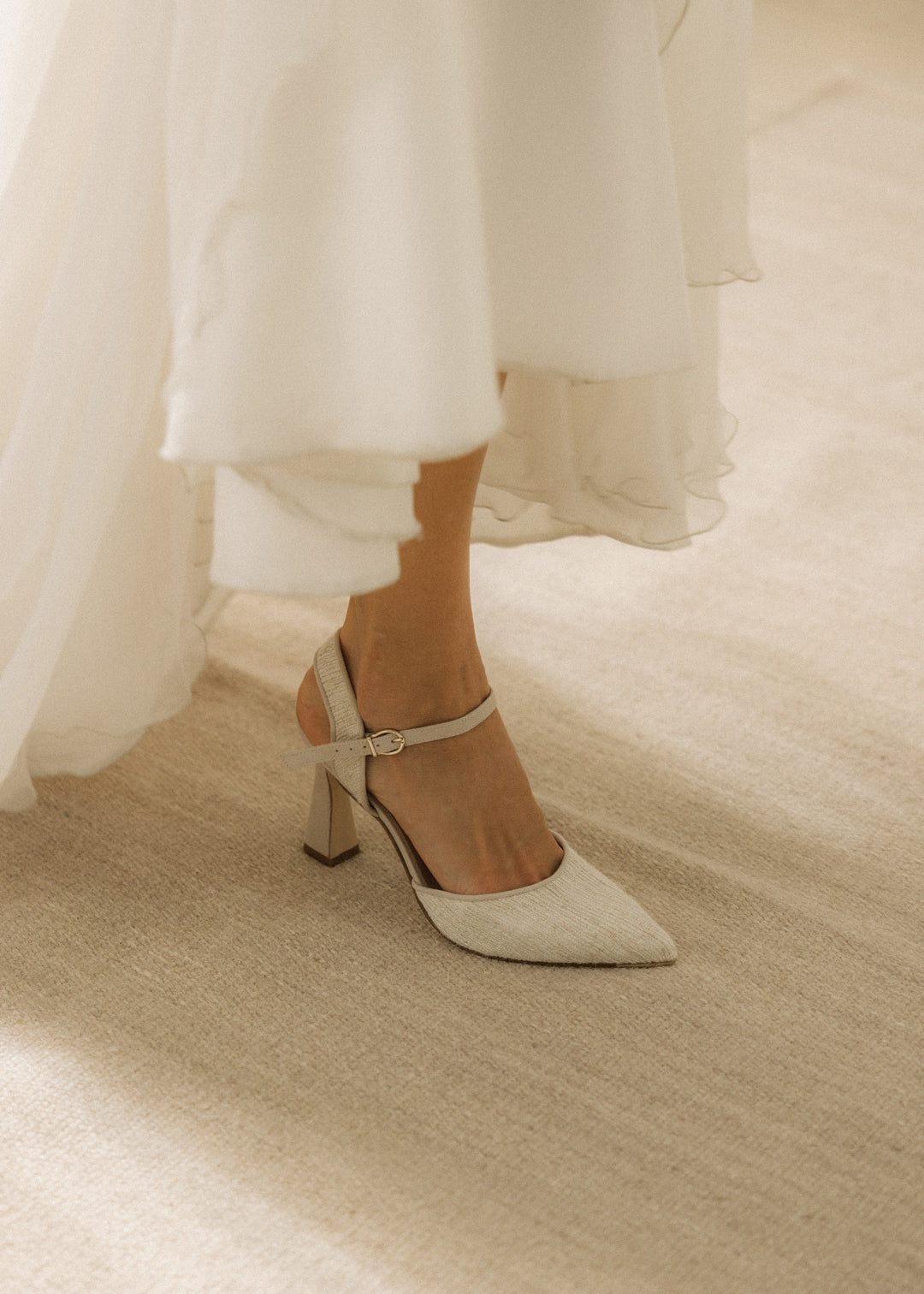
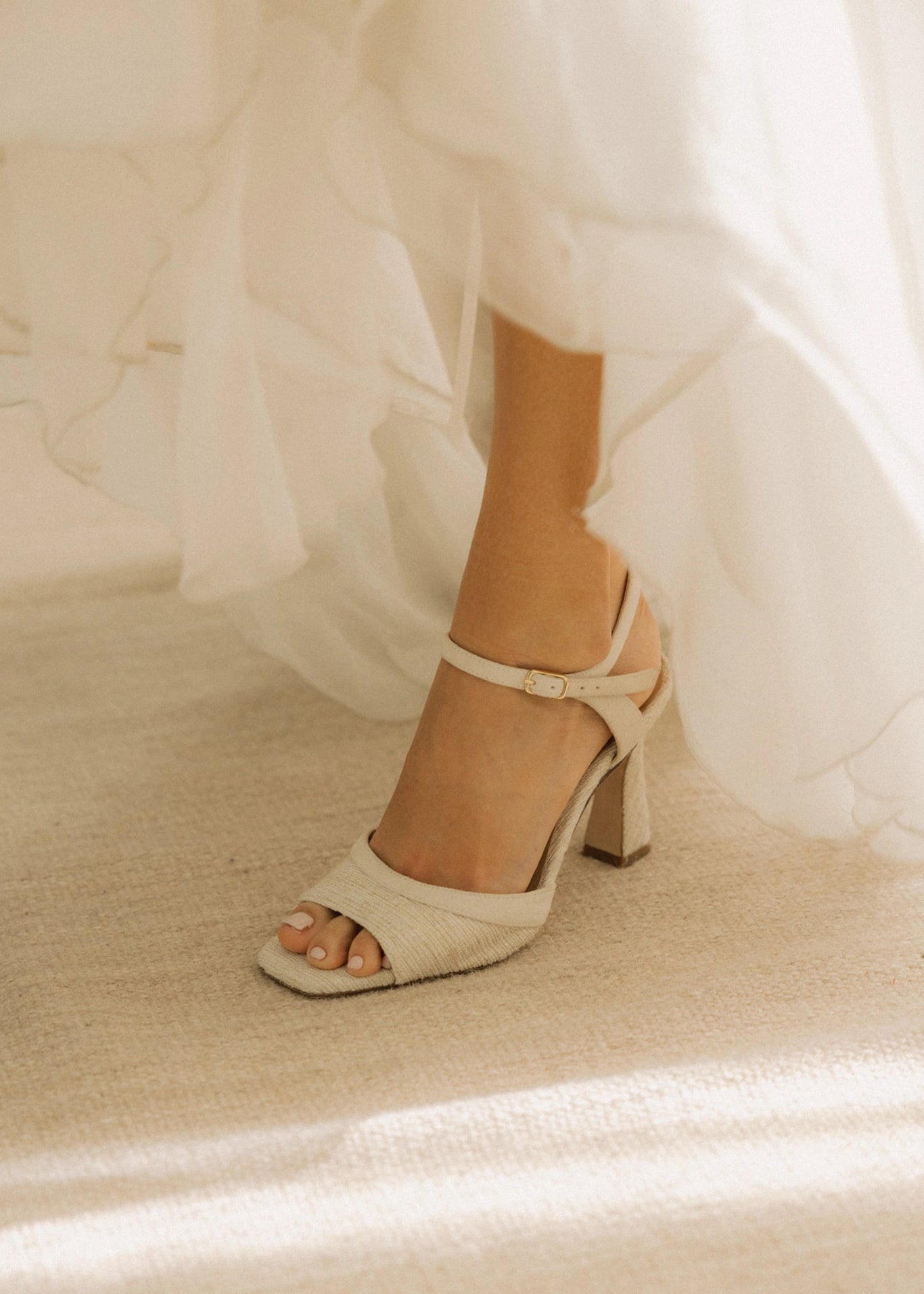
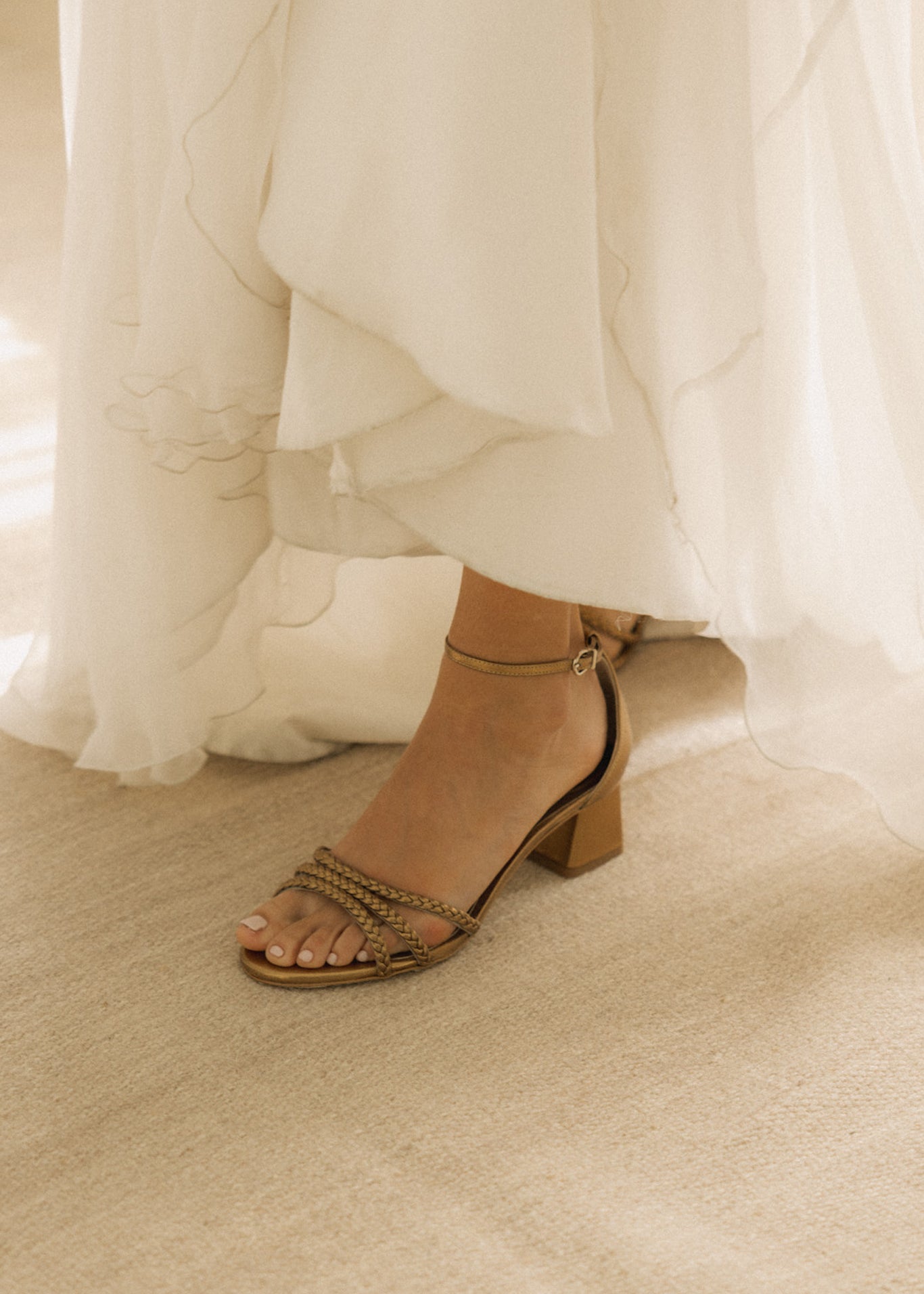
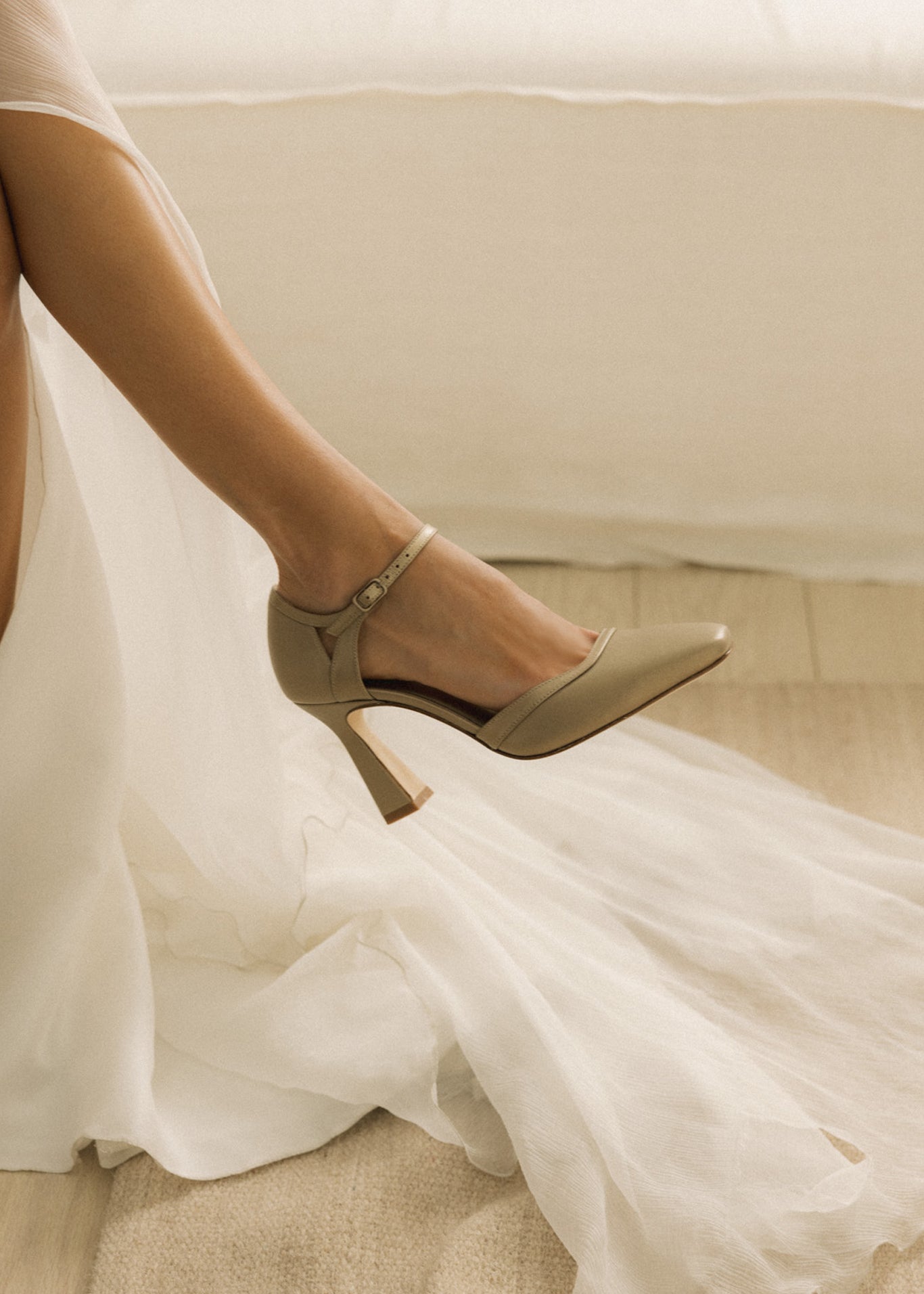
Margot or Greta are available in a wide range of colors—all our shades—and designed precisely for this: to align with a dress code without sacrificing your silhouette.

The colors of the 2026 season
Sage green, terracotta, duck blue, lavender, burgundy, mocha: muted pastels and ochres dominate the wedding parties this year. To echo the wedding palette without fading into the background, Lou Talco offers a universally powdery shade, and Hilaria Acqua features a soft blue that complements green or blue-toned dress codes without ever overdoing it.

The art of matching without uniformity
The effect of unity among bridesmaids can also be achieved with a detail. A fabric, a shared piece of jewelry, floral shoes: It's this discreet thread that creates unity in photos and allows each bridesmaid to have her own cut, body shape, and comfort.
Sira, Babette, and Ophelia beautifully complement the floral theme.

Lasting until the end of the night
From the ceremony to the dance floor, including the cocktail hour and speeches, you're on your feet for twelve to fourteen hours. Handcrafted shoes from Spain, with a cushioned sole and a trapezoid heel, are what separate the bridesmaid still dancing at 2 am from the one who takes off her heels after dessert.