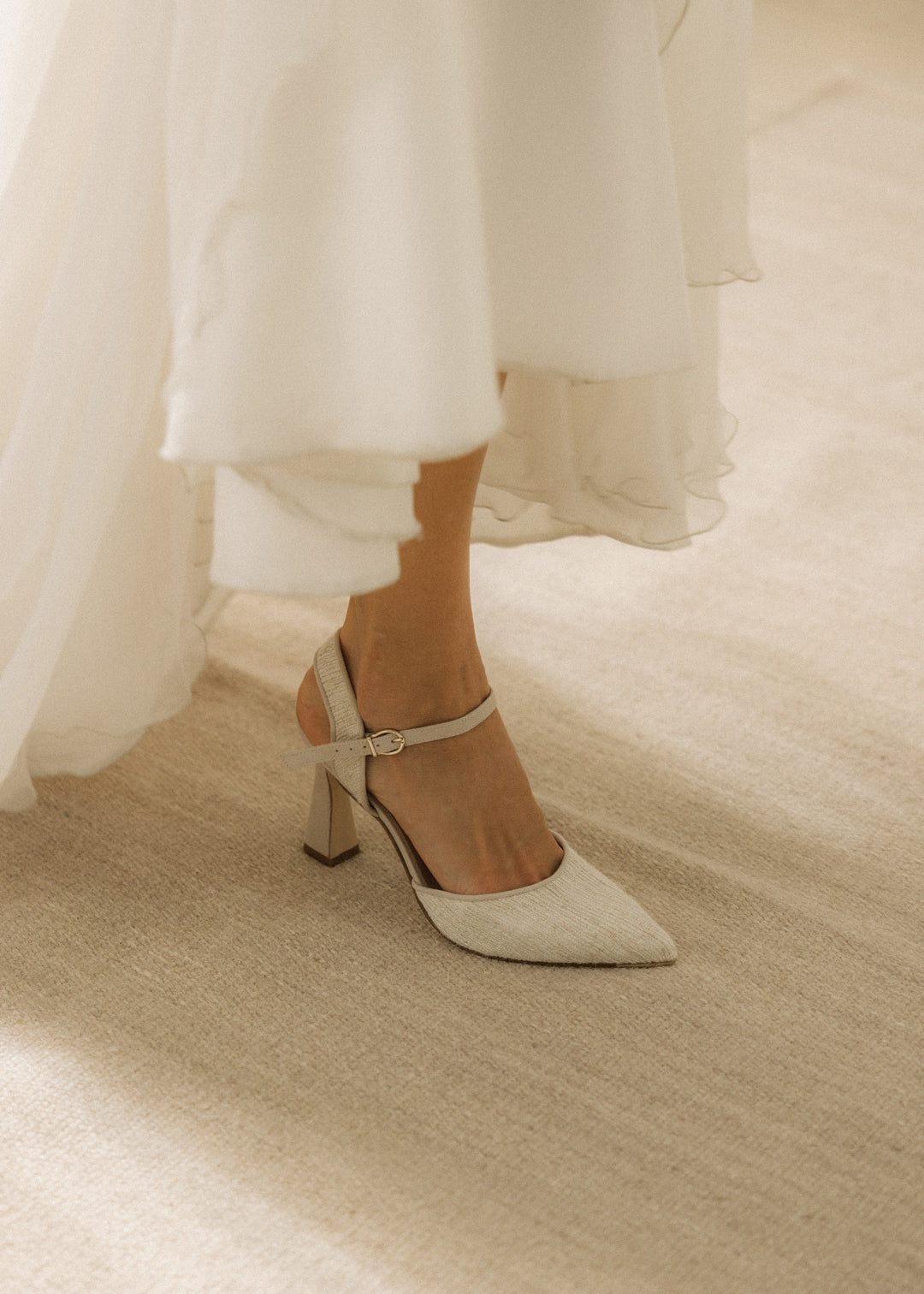
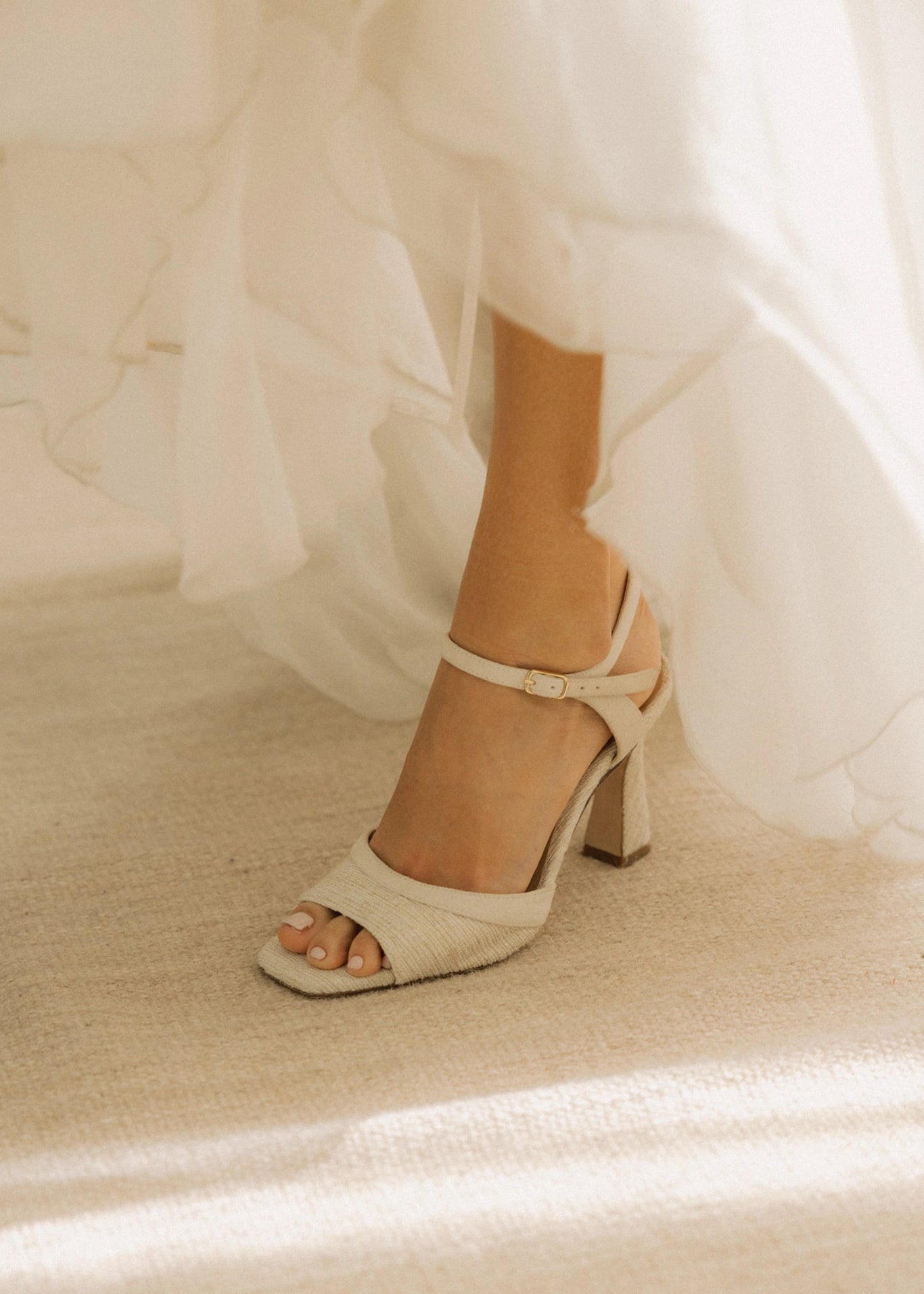
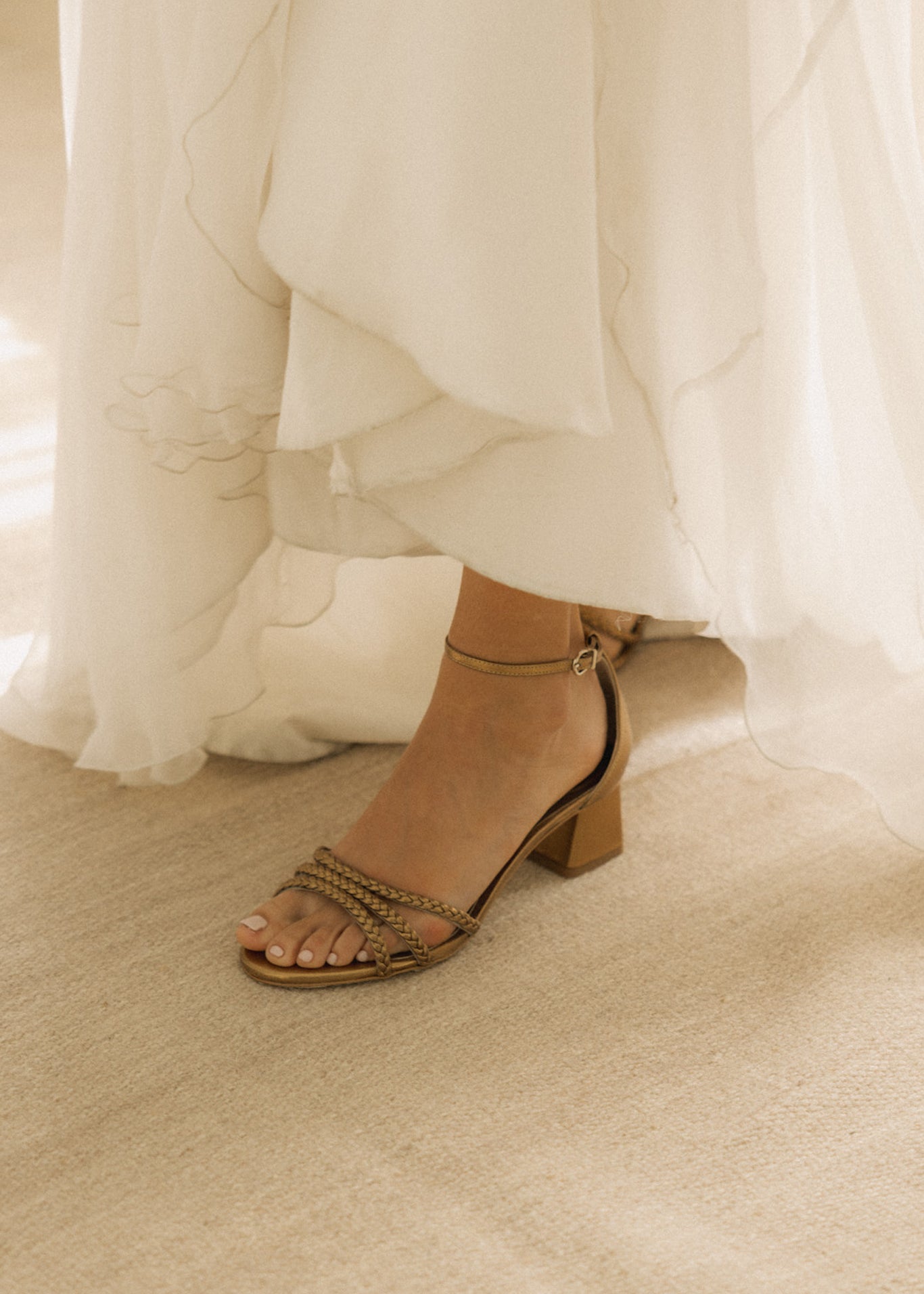
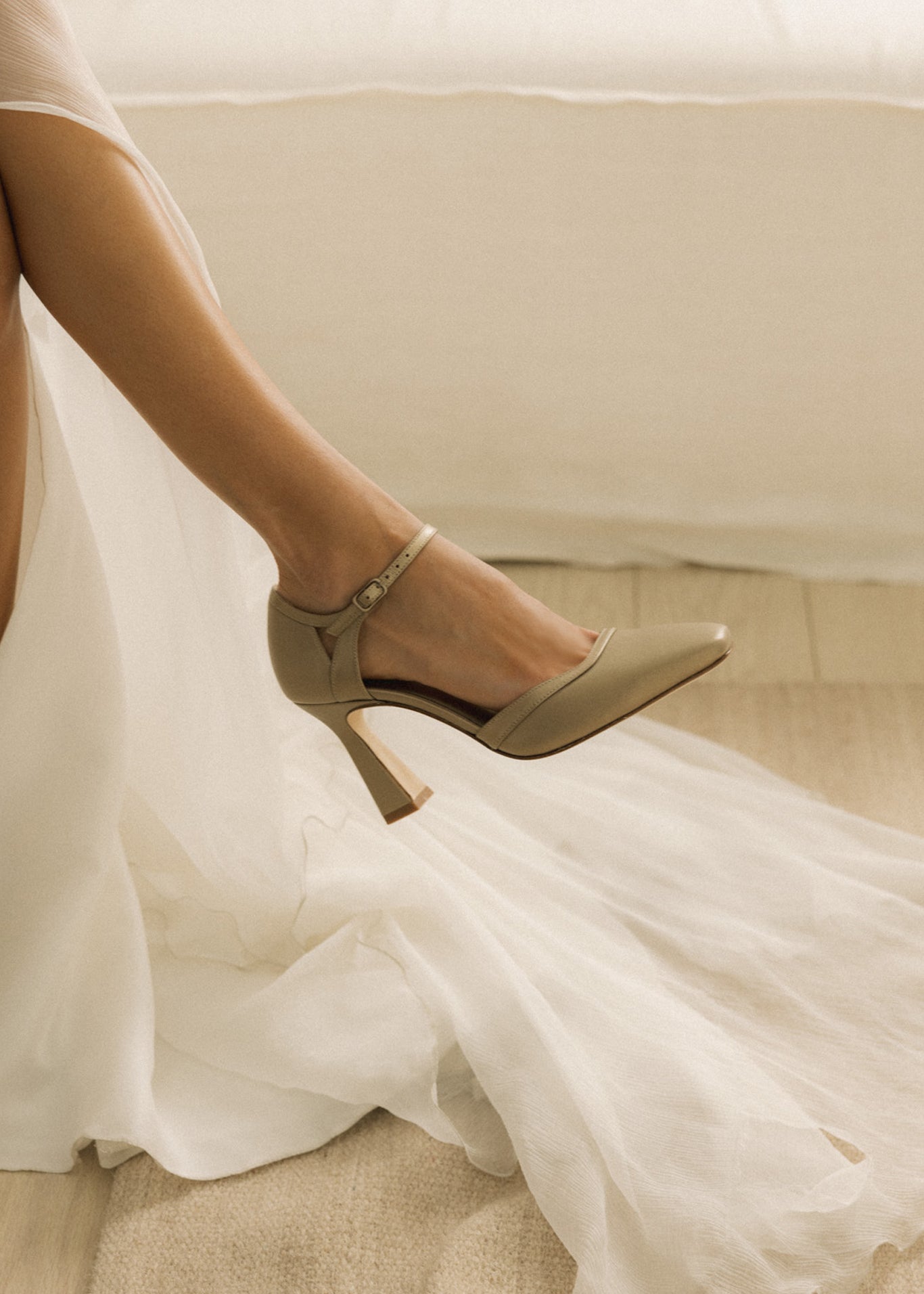
At first glance, two pairs of shoes might look the same: same silhouette, same color, even a similar finish in a photograph. But when you look closely, touch them, and, most importantly, wear them for hours, the differences start to become evident. That's where the value of handmade shoes comes into play, an option that is increasingly appealing to those seeking quality, personality, and a different way of understanding footwear.
Today, speed dominates almost all purchasing processes, and some wonder if it's worth investing in more careful shoe manufacturing. The answer lies not only in the final result but in everything that happens before the shoe reaches your closet. Therefore, understanding the differences between a handmade shoe and a mass-produced one is not a superficial matter, but a way to shop wisely.

How are handmade shoes made?
The handmade shoe manufacturing process is based on experience, time, and attention to detail that is usually absent in mass production. It's not just about sewing pieces or assembling materials, but about constructing a shoe with precision, respecting each phase of the process.
Everything begins with the idea and design: the pattern-making phase. Then comes the selection of materials—leather, linings, soles, and finishes are chosen for their performance, feel, and ability to age well. A good material not only looks better but also adapts to the foot and maintains its appearance over time.
Next comes the cutting, a key phase that requires technical knowledge and aesthetic sensibility: each piece must fit exactly for the shoe to have balance, structure, and comfort. Later, the lasting and assembly are carried out with much closer supervision than in industrial shoe production, which allows for corrections, adjustments, and attention to details that go unnoticed in an automated chain.
The result is a shoe that is born not only from a machine but from artisanal craftsmanship. And that craftsmanship is noticeable in the finish, in how it adapts to the foot, and in how it evolves with use.

Reasons why handmade shoes are chosen
Choosing handmade shoes is much more than looking for a pretty shoe. It's about wanting a well-made piece, with quality materials, comfortable from the first wear, and capable of accompanying you for a long time.
Real comfort. A carefully crafted shoe offers a better adaptation to the foot. Its construction has taken into account factors that truly influence comfort: the quality of the leather, the flexibility of the structure, the balance of the design, and the precision of the assembly.
Authenticity and character. Compared to models created to be replicated thousands of times, handmade shoes convey personality. They have a distinct presence, richer in nuances, less uniform.
Durability. Careful work and judiciously selected materials result in a longer lifespan. Unlike industrial production models, designed with speed and volume as priorities, the artisanal logic favors permanence.
Conscious purchase. The acquisition of handmade shoes is often associated with a more conscious and sustainable experience, where the process, dedication, and tradition behind each pair are valued.

Differences between handmade shoes and fast fashion shoes
The clearest difference lies in the manufacturing process, but it is not the only one.
Production time. In handmade manufacturing, time is part of the value chain: each phase requires control and unhurried execution. Fast fashion shoe production, on the other hand, is designed to produce large quantities in the shortest possible time, which usually implies greater standardization of materials and processes.
Attention to detail. In a handmade shoe, nuances such as polishing, stitching, or leather treatment receive special dedication. In fast fashion footwear, these steps depend on machines and rhythms oriented towards efficiency.
Adaptation to use. Handmade shoes offer a more natural evolution over time: the leather yields, the shoe molds, and gains comfort without losing structure. In many industrial models, the initial sensation can be stiffer, especially with lower quality materials.
Finish and texture. The difference is not always obvious in a photograph, but it is noticeable when observing the shoe in person: the finish, texture, and coherence of the design are usually richer in artisanal craftsmanship.

Quality of handmade shoes versus fast fashion
The quality of footwear depends not only on what is seen but on how it is constructed internally. Good stitching and precise assembly directly influence stability, comfort, and durability — and that's where artisanal manufacturing makes a real difference, thanks to much more rigorous process control.
How the shoe ages also matters. Quality footwear is not limited to making a good impression on the day of purchase: what truly matters is how it performs after months of use. Handmade shoes tend to develop a flexibility and adaptation to the foot that enrich the experience over time.
Which is better?
The answer depends on what you are looking for, but if the main criteria are quality, personality, and durability, handmade shoes are usually the best choice — not only because they are made with more care but because they offer a different relationship with the product.
Fast fashion shoes can be practical if you prioritize price or need a quick option for occasional use. But when compared to a piece created with craftsmanship, with real attention to detail and more careful handmade shoe manufacturing, there are clear limits.
Our way of working at flordeasoka
At flordeasoka, each pair is 100% handmade in Spain, working with specialized workshops that take care of each phase of the process: from pattern making to the final finish. We select materials for their long-term performance — leather, silk velvet, suede — we carefully design the last with the real foot in mind, and we build each wedding shoe and guest shoe so that it is not a single-use piece, but a keepsake that you can wear again on other special occasions.
Choosing handmade shoes, like those from flordeasoka, means opting for footwear that not only dresses the foot but combines real comfort, careful design, and a quality that is noticeable from the first step.